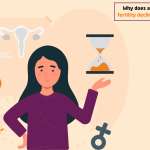
Hormones orchestrate everything from your energy and mood to your periods, fertility, skin, and sleep. When they swing out of balance, life feels off—cycles get irregular, acne flares, weight creeps up, and mood dips. In Pakistan, women face unique lifestyle pressures (late meals, long commutes, high work–home load, safety concerns limiting outdoor activity) that make …

Hormones orchestrate everything from your energy and mood to your periods, fertility, skin, and sleep. When they swing out of balance, life feels off—cycles get irregular, acne flares, weight creeps up, and mood dips. In Pakistan, women face unique lifestyle pressures (late meals, long commutes, high work–home load, safety concerns limiting outdoor activity) that make hormonal health harder to maintain. This guide breaks down how daily habits and stress disrupt your endocrine system—and what you can do about it. Also you can consult the experts at Algyna, where we integrate evidence-based gynecology with lifestyle medicine.
Quick refresher: how stress scrambles your hormones
Your stress system (HPA axis) constantly “talks” to your reproductive system (HPG/HPO axis). Under chronic stress, cortisol rises and the brain dials down GnRH → LH/FSH → ovulation—leading to missed/late periods, anovulation, PMS/PMDD flares, and even short-term infertility. Multiple reviews show sustained stress can blunt ovarian function and disturb cycles; during prolonged stressors (e.g., pandemics, disaster recovery), many women report cycle changes and ovulatory dysfunction.
What that looks like day-to-day: more irregular cycles, heavier or lighter bleeding, worsened cramps, mid-cycle spotting, low libido, sleep disruption, and cravings—especially for high-GI comfort foods that further spike insulin and fuel weight gain around the belly (another stress–cortisol effect).
The Pakistan context: why women are hit harder
- National and global datasets consistently show a meaningful burden of depression and anxiety in Pakistan’s adult population (roughly 10–16%), with women shouldering a higher share of years lived with disability from depressive disorders than men. Chronic psychological load is a known amplifier of endocrine issues.
- PCOS is a leading hormonal condition behind period problems and sub-fertility in South Asia; in Pakistan, 38.5% of infertility is attributable to PCOS (out of an estimated 21.9% infertility rate), which makes prevention and lifestyle care essential.
Want practical food swaps for PCOS? See [PCOS Diet Tips in Pakistan: What to Eat for Hormonal Balance] for an easy, local-foods plan that pairs well with this article’s stress and sleep advice.
Lifestyle levers that throw hormones off balance (and how to fix them)
1) Blood-sugar swings (high-GI meals, late dinners)
Why it matters: Frequent spikes from white roti, sugary chai, biscuits, and sweetened desserts raise insulin. Over time, that promotes ovarian androgen excess (hallmark of PCOS), worsens acne and facial hair, and triggers midsection weight gain that feeds back into insulin resistance.
Do this instead (Pakistan-friendly):
- Build a fiber-first plate: ½ non-starchy veg (saag, lauki, tori, mixed salad), ¼ lean protein (daal, chana, anday, chicken/fish), ¼ smart carbs (brown roti/multigrain, small portion of chawal).
- Shift sweet chai to doodh-patti with no sugar or green tea with cardamom.
- Move dinner earlier (by 60–90 minutes) and add a 10–15-minute walk after meals to improve post-meal glucose.
- Try low-GI flour mixes (atta + barley/jau + chana) for rotis; keep portions consistent.
2) Inflammation from ultra-processed snacks
Why it matters: Packaged namkeen, bakery items, and repeatedly heated oils (home fries, street snacks) increase inflammatory load that can worsen cramps, PMS, skin, and metabolic markers.
Simple swaps:
- Use mustard, canola, or olive oil for cooking; avoid re-using oil.
- Snack on roasted chana, makhanay, fruit + nuts, dahi with chia.
- Spice up with haldi + kali mirch (curcumin absorption), ginger, garlic—classic anti-inflammatory Pakistani staples.
3) Under-recovery (poor sleep + no stress outlets)
Why it matters: Short or low-quality sleep pushes cortisol and ghrelin up, leptin down—raising appetite, cravings, and insulin resistance. That worsens PCOS, thyroid symptoms, and mood.
Fix the foundations:
- Protect 7–9 hours in a cool, dark room; keep Fajr wake time consistent and anchor bedtime accordingly.
- Create a 60-minute wind-down: dim lights, no doom-scrolling, light stretch or breathing (4-7-8 or box breathing).
- Caffeine cut-off 8 hours before bed; finish dinner 3 hours before sleep.
4) Movement gaps (especially for women who stay mostly indoors)
Why it matters: Muscles act like a glucose sponge. Strength + NEAT (incidental movement) correct insulin resistance, regulate periods, and lift mood.
Pakistan-practical plan:
- 3×/week strength at home: squats to chair, wall push-ups, hip bridges, resistance band rows (20 minutes).
- Daily NEAT: household chores, stairs, 5–10k steps via indoor laps or safe outdoor routes; add 2–3 post-meal walks weekly.
- Cycle-sync workouts: during heavy days, keep it lighter (walk/mobility); in the follicular phase, add interval walks or light jogging.
5) Micronutrient gaps
Why it matters: Low vitamin D, B-complex, magnesium, and iodine/selenium (thyroid cofactors) are common and influence ovulation, PMS, fatigue, and mood. Clinical nutrient testing + targeted supplementation can help—guided by your gynecologist.
Stress: the “invisible hormone” you must treat like a symptom
Pakistan-specific stressors—workload, caregiving (parents/children), academic pressure, inflation worries, commute safety, climate events—keep the HPA axis “on.” Evidence across reviews shows chronic stress suppresses GnRH/LH/FSH, reduces ovarian steroidogenesis, and disrupts ovulation; many women notice cycle irregularity during prolonged stress.
Your 4-part anti-stress protocol (15–25 min/day):
- Breathwork (4–7–8) or paced exhale for 5 minutes after Zuhr or Asr.
- Sunlight + steps: 10–15 minutes outdoors for circadian rhythm + vitamin D.
- Somatic down-shift: legs-up-wall pose, progressive muscle relaxation, or a short guided body scan.
- Boundaries you’ll keep: quiet hours on WhatsApp, one “no” per day to non-urgent favors, and a weekly 1-hour “me block.”
Pregnant or planning? Our piece on [First Trimester of Pregnancy: What to Expect, Eat, and Avoid] pairs trimester-specific advice with lifestyle tips you can start now.
Signs your hormones may be reacting to lifestyle & stress
- Irregular or missing periods; cycle length swinging >8–10 days month to month
- Worsening PMS/PMDD, anxiety, low mood, sleep onset insomnia
- New or stubborn acne along jawline/cheeks; increased facial/body hair
- Fatigue, brain fog, midsection weight gain despite “same diet”
- Cold intolerance or hair shedding (possible thyroid angle)
- Fertility delays despite regular attempts
If several resonate for 2–3 months, it’s time for a plan—and possibly labs (see below).
A Pakistan-friendly 14-day reset (repeatable)
Days 1–14 habits
- Plates: ½ veg + ¼ protein + ¼ smart carb; include 1–2 tbsp healthy fats.
- Protein target: ~1.2–1.6 g/kg/day (eggs, daal+roti combo, fish/chicken, tofu/paneer in moderation).
- Breakfast swap: paratha → 2 eggs + saag + 1 small multigrain roti or dahi + chia + fruit + nuts.
- Tea routine: keep to 2 cups; switch evening cup to decaf green/herbal.
- Movement: 20 minutes strength (Mon/Wed/Fri) + 15-minute post-meal walks (most days).
- Stress care: 10 minutes breathwork + 10 minutes wind-down reading each night.
- Sleep: in bed by a consistent time; lights out 7–8 hours before wake time.
- Track: period dates, sleep, steps, mood, and 3-day food log in Notes.
What to expect: steadier energy and appetite, less bloat/cravings around luteal phase, more predictable cycles over 2–3 months, and early weight-recomposition if insulin resistance was present.
When to test—and what to test (with your gynecologist)
Work with a clinician who times tests to your cycle and clinical picture:
- Cycle day 2–5: LH, FSH, estradiol; ± AMH if fertility planning
- Mid-luteal (≈7 days post-ovulation): progesterone (to confirm ovulation)
- Any morning (fasting): TSH, free T4 ± T3, anti-TPO if thyroid symptoms; fasting glucose, fasting insulin (HOMA-IR), lipid panel; vitamin D; B-12; ferritin/iron studies
- If PCOS suspected: ultrasound with Rotterdam criteria interpretation plus metabolic screening
Considering birth options or recovering postpartum? Our [Normal Delivery vs C-Section in Lahore: Pros, Risks, Recovery & Cost] guide explains timelines and pelvic-floor recovery basics that also support hormone balance.
Evidence highlights you can quote to family (and to yourself)
- Mental health burden is real here: Large analyses place Pakistan’s adult depression/anxiety symptoms around 10–16%, and women lose more healthy life years to depression than men—chronic stress management isn’t a luxury; it’s medical self-care.
- PCOS drives a big share of infertility: An estimated 38.5% of infertility cases in Pakistan are linked to PCOS—making diet, exercise, sleep, and weight management essential “first-line” tools alongside medical care.
- Stress → cycle disruption is biologically grounded: Reviews show HPA-axis activation suppresses GnRH/LH/FSH and impairs ovulation; many women report cycle changes under sustained stress.
Red flags: see a gynecologist sooner
- Periods >35 days apart or missing for 3+ months
- Sudden heavy bleeding, severe pelvic pain, or post-coital bleeding
- Rapid hair loss, new galactorrhea (milk discharge), or unexplained weight change
- Fertility concerns after 6–12 months of trying (earlier if cycles are irregular)
The Algyna approach (Lahore)
At Algyna, we combine lifestyle medicine with evidence-based gynecology: cycle-aware diagnostics, PCOS and thyroid care, compassionate mental-health referrals, and practical coaching on nutrition, movement, and stress skills that fit Pakistani routines. If you’re ready for a personalized plan, book a consult and bring a 2-month cycle/symptom log—we’ll build from there.
Takeaway checklist (save this)
- Plate pattern: veg-heavy, protein at each meal, smart carbs, healthy fats
- Movement: 3× strength + daily steps; walk after dinner
- Sleep: 7–9 hours, same wake time, blue-light cut 60–90 minutes pre-bed
- Stress care: breathwork + boundaries + brief sunlight daily
Track & test: log symptoms; time labs to your cycle with your doctor
Frequently Asked Questions
Q: What are the common causes of hormonal imbalance in Pakistani women?
A: Hormonal imbalance in Pakistani women is mainly caused by chronic stress, poor diet, sleep deprivation, lack of physical activity, and vitamin deficiencies—especially vitamin D. Conditions like PCOS, thyroid disorders, and insulin resistance are also becoming more common due to lifestyle habits and environmental factors.
Q: How does stress affect female hormones?
A: Stress raises cortisol, which disrupts the brain’s signaling to reproductive hormones (LH, FSH, estrogen, and progesterone). Over time, this can delay ovulation, irregularize cycles, increase PMS symptoms, and worsen fertility issues.
Q: Can improving lifestyle help restore hormonal balance?
A: Yes. Balanced meals, regular exercise, 7–9 hours of quality sleep, mindfulness, and limiting caffeine and sugar can gradually restore hormone balance. Even small adjustments—like post-meal walks and consistent bedtimes—can make a measurable difference.
Q: What vitamins or nutrients help regulate hormones?
A: Vitamin D, magnesium, B-complex, zinc, and omega-3 fatty acids support hormonal balance. Because deficiencies are common in Pakistani women, it’s best to get tested before supplementing and to follow a doctor’s recommendation.
Q: When should I see a gynecologist about hormonal imbalance?
A: If your periods are consistently irregular, very heavy or painful, or you have symptoms like excessive hair growth, acne, mood swings, or unexplained weight gain for more than 2–3 months, it’s important to consult a gynecologist for lab testing and personalized care.
Sign up for free Session!
It’s easy and free!