As a woman in her 30s or 40s, you may be asking: “Is it still possible to conceive naturally? What changes does age bring? What can I do to maximise my chances?” This blog from Algyna addresses all those questions and more. We’ll explore how fertility changes with age, the science behind it, risks, what …
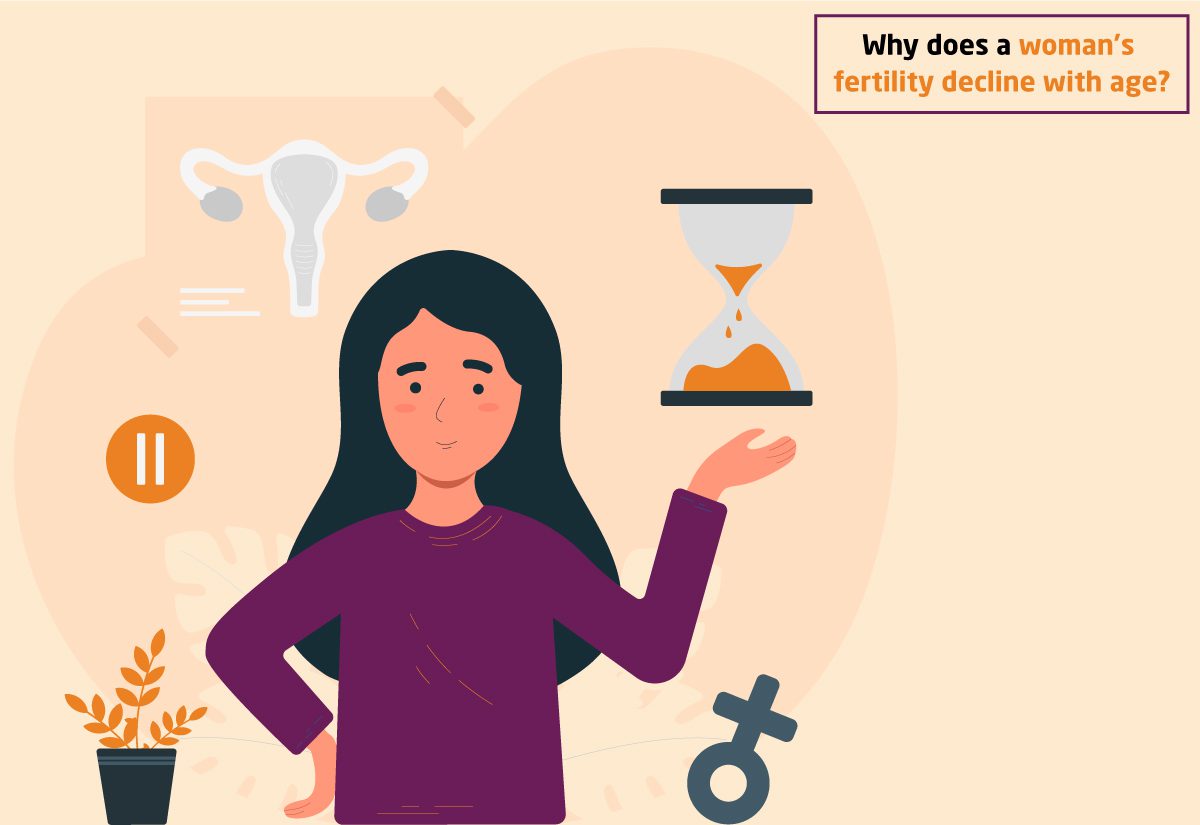
As a woman in her 30s or 40s, you may be asking: “Is it still possible to conceive naturally? What changes does age bring? What can I do to maximise my chances?” This blog from Algyna addresses all those questions and more. We’ll explore how fertility changes with age, the science behind it, risks, what to do proactively, and the unique context for women in Pakistan.
1. Understanding the age-fertility relationship
The biology: eggs, ovarian reserve, egg quality
- Women are born with all the eggs they’ll ever have. Over time, both the number and quality of those eggs decline.
- For example: the percentage of genetically abnormal embryos climbs from around 35% at ages 31-35 to about 45% for ages 35-37 and about 60% for ages 38-40.
- Experts note that female fertility begins a noticeable decline in the mid-30s, and the decline becomes steeper after 35.
What the statistics say
- One widely-cited chart: a healthy woman at age 35 has about a 15% chance per menstrual cycle of conceiving naturally; at age 40 that drops to about 5% per cycle.
- A cohort study reported that for women aged 37-39, the fecundability ratio (chance of conceiving per cycle) dropped to ~0.60 compared to younger women, and for age 40-45 it dropped to ~0.40.
- For women older than 35, one meta-analysis found that only 9.8% of women (n = 4,379) in the age group achieved ongoing pregnancy or live birth over ~5 months of follow-up when facing infertility.
The key messages
- Fertility doesn’t stop at 35, but the window of opportunity narrows.
- It becomes increasingly important to act sooner rather than later if you’re planning a baby.
- Delaying childbearing is common — and fine — but requires more awareness and preparation.
2. Why conception after 35 brings extra considerations
Reduced ovarian reserve & egg quality
As we saw above, fewer eggs + lower quality eggs = lower probability of healthy conception and higher risk of chromosomal anomalies.
Increased miscarriage & genetic risks
- The risk of miscarriage rises with maternal age. ACOG notes that after age 35, the chances of pregnancy loss increase due to egg quality and other factors.
- For example: one source states that the cumulative pregnancy rate for women older than 35 drops to ~54%.
Higher chances of other pregnancy complications
Pregnancy after 35 comes with increased risks of third-trimester problems (high blood pressure, gestational diabetes), preterm birth, low birth weight, and the need for C-section.
Considering birth options or recovering postpartum? Our [Normal Delivery vs C-Section in Lahore: Pros, Risks, Recovery & Cost] guide explains timelines and pelvic-floor recovery basics that also support hormone balance.
Lifestyle & health factors become more influential
Because nature’s “fertility buffer” shrinks over time, modifiable factors — weight, diet, sleep, stress, chronic disease — carry greater weight in the overall fertility equation. This is especially relevant for Pakistani women navigating lifestyle constraints, cultural pressures, late childbearing, career demands, and metabolic risks like PCOS or thyroid dysfunction.
3. What women in Pakistan need to know
Local context matters
- Delayed marriages, extended education, career goals or economic constraints mean many Pakistani women are starting families in their 30s or later.
- Conditions such as Polycystic Ovary Syndrome (PCOS), metabolic syndrome, obesity and vitamin D deficiency are common in South Asia and can compound age-related fertility decline.
- Environmental and lifestyle factors — for instance limited safe outdoor spaces for activity, high-glycaemic diets, late-night routines, and stress of dual work/family roles — can amplify the risk.
Actionable Pakistani-friendly tips
- If you are 35 or older and trying to conceive, don’t wait 12 months — many experts recommend evaluation after 6 months of regular unprotected intercourse. (Especially given age).
- Know your “fertile window” and aim for intercourse every 1–2 days during the 5-6 days before ovulation and on ovulation day.
- If you have PCOS, thyroid issues or irregular cycles (common in Pakistan), early fertility evaluation is advisable.
4. Preconception checklist: What every woman 35+ should do
Here’s a step-by-step guide aligned with the Algyna approach:
- Medical check-up & baseline labs
- Measure ovarian reserve (AMH, antral follicle count) if appropriate.
- Assess thyroid (TSH, Free T4), prolactin, FSH/LH if irregular cycles.
- Screen for diabetes, hypertension, dyslipidaemia.
- Address chronic health issues (e.g., thyroid, PCOS, autoimmune disease).
- Lifestyle optimisation
- Maintain a healthy BMI (lower or higher extremes affect fertility).
- Prefer whole-food, low-GI diet: more vegetables, legumes, lean protein, healthy fats; reduce sugary drinks and refined carbs.
- Exercise: at least 150 minutes/week moderate aerobic + 2 strength sessions. In Pakistan, 20-30 mins 3-4× weekly counts.
- Sleep: target 7-9 hours/night; establish consistent bedtime, reduce screen time before sleep.
- Manage stress: mindfulness, breathwork, hobby time — essential since stress impacts fertility especially after 35.
- Avoid smoking, limit alcohol (where applicable) and environmental toxins.
- Optimise timing & ovulation
- Track cycles: basal body temperature, ovulation predictor kits, cervical mucus.
- Have intercourse during the fertile window: 1–2 days before ovulation and the day of ovulation.
- Consider professional help if irregular cycles or >6 months of trying.
- Understand your fertility options
- If your ovarian reserve is low or you’re 38 + with <6 months of unprotected intercourse, ask about fertility specialist referral.
- Understand that while treatments like IVF can help, they cannot fully overcome the age-related decline in egg quality.
- If you’re not ready for pregnancy but concerned about age, discuss egg freezing or embryo freezing with a specialist.
- Partner care matters
- Fertility is not only about the woman’s age — male age and sperm health also influence outcomes. Ensure your partner’s health is optimised too.
5. When to consult a specialist
If you are 35 or older and have been trying to conceive for 6 months with regular unprotected sex and no success, consider seeing a fertility specialist. This shortens potentially lost time.
Also see a specialist if you have:
- Irregular or absent menstrual cycles
- Known PCOS, diminished ovarian reserve, previous fertility issues
- Partner with known fertility issues
- Recurrent miscarriages
At 40 + years, many clinicians recommend earlier evaluation rather than waiting.
6. Myths & truths
7. The Algyna plan for women 35+ trying to conceive
At Algyna, our approach includes:
- A dedicated pre-conception consultation: medical history, fertility assessment (ovarian reserve, partner sperm check), lifestyle review.
- A tailored “35+ fertility optimisation plan” covering diet, exercise, sleep, stress-management and timing strategies.
- Ongoing support: cycle tracking, nutritional coaching, referrals as needed for endocrinology or reproductive medicine.
- Realistic counselling: we focus on optimising chances, not guaranteeing outcomes, and we plan for multiple scenarios.
Pregnant or planning? Our piece on [First Trimester of Pregnancy: What to Expect, Eat, and Avoid] pairs trimester-specific advice with lifestyle tips you can start now.
8. Conclusion: What you can do today
- If you are thinking of conceiving now, book a pre-conception check-up this month.
- Start or maintain a health-conscious lifestyle: balanced nutrition, movement, sleep, stress management.
- Track your cycle and ensure intercourse during your fertile window.
- If you are 35+ and been trying for 6 months, don’t wait — consult a fertility specialist.
- Remember: age matters, but proactive steps can meaningfully improve your odds and set you up for a healthier pregnancy.
By combining age-aware knowledge with lifestyle optimisation and timely medical support, many women in their 30s and 40s go on to conceive and deliver healthy babies — and with Algyna’s support, you can align with that positive possibility.
Frequently Asked Questions
Q: Does my fertility drop suddenly after 35?
A: No. While fertility does decline more sharply after the mid-30s, it’s more of a gradual slope than an abrupt “cliff”. For example, one review found pregnancy chances after 12 months were 87% at age 30–31, 76% at age 36–37, and 54% at ages 40–41.
Q: At what point should I see a fertility specialist if I’m over 35?
A: If you are 35 or older and have been trying to conceive for 6 months with regular unprotected intercourse, it’s prudent to consult a fertility specialist. Delaying further may reduce your options.
Q: Can lifestyle changes really make a difference when I’m over 35?
A: Yes. While age-related decline can’t be reversed, improving diet, exercise, sleep, reducing stress, optimising weight and treating underlying issues (PCOS, thyroid, etc.) significantly enhance your chances and pregnancy health.
Q: Does late pregnancy (40+) mean high risk for baby abnormalities?
A: Risks of chromosomal abnormalities (e.g., Down syndrome) and miscarriage do increase with age due to egg quality decline. However, with proper prenatal care and screening, many women aged 40+ have healthy babies.
Q: Should I consider freezing my eggs if I’m in my 30s but not ready for pregnancy?
A: Egg freezing is one option, especially if you may defer childbearing multiple years and are aware of age-related decline. Discuss with a fertility specialist about timing, costs, and realistic benefits.
Sign up for free Session!
It’s easy and free!