If you’re trying to conceive (TTC), one of the most natural and insightful tools available to you is your own body. Tracking your cervical mucus (CM)—the fluid produced by glands in the cervix—can reveal a great deal about your fertile window, ovulation, and hormonal health. This guide explains how to track cervical mucus, what the …
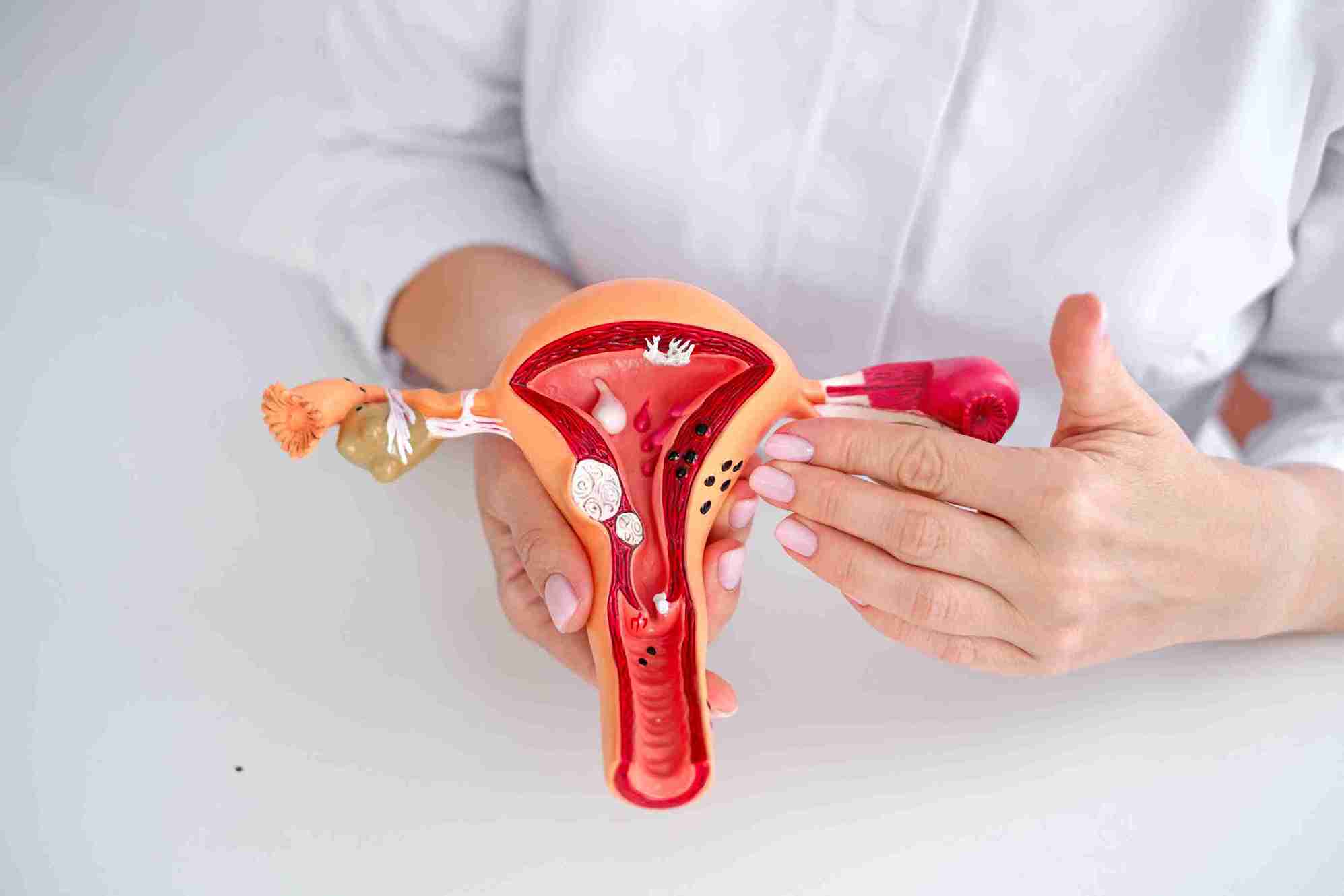
If you’re trying to conceive (TTC), one of the most natural and insightful tools available to you is your own body. Tracking your cervical mucus (CM)—the fluid produced by glands in the cervix—can reveal a great deal about your fertile window, ovulation, and hormonal health. This guide explains how to track cervical mucus, what the different types mean, how to optimize it for conception, and when to seek medical advice.
At Algyna Clinic, we help women across Pakistan understand their reproductive health through modern gynecological and fertility care. This blog will walk you step by step, with links to useful resources, services, and related blogs so you can explore further.
What Is Cervical Mucus and Why Does It Matter?
Cervical mucus is a dynamic fluid that changes in response to hormonal shifts throughout your menstrual cycle. Estrogen increases mucus production, making it thin and stretchy near ovulation, while progesterone dries it up after ovulation.
Why tracking cervical mucus matters:
- Pinpoints fertile days – Egg-white cervical mucus (EWCM) is the best natural indicator of ovulation.
- Supports conception planning – Having intercourse during fertile CM days maximizes chances of pregnancy.
- Highlights health concerns – Abnormal color, smell, or texture can indicate infection or hormone imbalance.
- Empowers body awareness – It’s a free, noninvasive method of fertility awareness.
For couples struggling to conceive, cervical mucus charting can be a valuable tool alongside professional evaluation. Learn more about our Infertility Treatment programs designed for women and couples in Pakistan.
How to Check Your Cervical Mucus
When to Check
- Once or twice daily (morning and evening).
- Before or after using the restroom.
- Avoid immediately after sex, bathing, or using lubricants, which can alter results.
How to Observe
- Wash hands and insert a clean finger into the vagina, near the cervix.
- Check what you collect between your fingers—stretchiness, color, consistency.
- Alternatively, observe mucus on toilet tissue after wiping.
How to Record
Keep a daily log or use a fertility tracking app. Record:
- Quantity: none, light, moderate, heavy
- Color: white, yellow, cloudy, clear
- Texture: sticky, creamy, watery, egg-white
- Stretchiness: breaks quickly or stretches 2–5 cm
- Sensation: dry, damp, wet, slippery
Over a few cycles, patterns will emerge—helping you predict ovulation.
Types of Cervical Mucus and Fertility Meaning
| Type of Mucus | Description | Fertility Meaning |
| Dry / None | No visible mucus; vaginal dryness | Not fertile |
| Sticky / Tacky | Thick, pasty, crumbly | Low fertility |
| Creamy / Milky | White, smooth, lotion-like | Fertility rising |
| Watery | Clear, thin, abundant | High fertility |
| Egg-White (EWCM) | Clear, slippery, stretches 2–5 cm | Peak fertility; ovulation imminent |
| Post-ovulation / Dry | Little or no mucus | Fertility closed |
Tip: The last day of EWCM is often your “peak day”—ovulation usually occurs within 24 hours.
For women with irregular cycles or abnormal discharge, professional care may be needed. Explore our Gynecological Disorders service for testing and treatment options.
Interpreting Your Observations
- Fertile window: Starts when mucus becomes creamy and ends the day after EWCM.
- Peak fertility: The last day of EWCM.
- Post-ovulation: Mucus dries up under progesterone influence.
Combine CM with other signs:
- Basal body temperature (BBT) rises after ovulation.
- Cervical position becomes softer, higher, and open near ovulation.
- Ovulation predictor kits (OPKs) detect LH surge, aligning with fertile mucus days.
If you’ve been tracking and still face challenges, a fertility workup may be needed. See our Pregnancy Care page for early evaluation and ultrasound cycle monitoring.
Continue reading if you want more details on First Trimester of Pregnancy: What to Expect, Eat, and Avoid
Optimizing Cervical Mucus for Fertility
If you notice little or no fertile-quality CM, here’s how to support production:
- Hydrate: Drink 2–3 liters of water daily.
- Eat CM-friendly foods: Avocados, salmon, flaxseed, nuts, and vitamin C-rich fruits.
- Avoid irritants: Douching, scented soaps, and harsh chemicals.
- Take medical supplements (if prescribed): Vitamin E, omega-3, inositol.
- Balance hormones naturally: Weight management, reducing stress, and improving sleep help.
- Check medications: Some antihistamines and fertility drugs dry CM. Consult your doctor.
For persistent issues, hormone evaluation may be required. Visit our Hormonal Imbalance Treatment section for support options.
A Cycle Example (28 Days)
- Days 1–5: Period flow; little or no CM.
- Days 6–9: Dry/sticky.
- Days 10–12: Creamy, thicker CM.
- Days 13–15: Watery → EWCM (fertile window).
- Days 16–28: Dry/sticky again.
Every woman’s pattern varies, so track at least 2–3 cycles for clarity.
When to Seek Medical Advice
You should see a gynecologist if:
- You’ve been TTC for 12 months (6 months if over 35).
- Cycles are irregular or absent.
- You notice foul-smelling, colored, or painful discharge.
- You have conditions like PCOS, endometriosis, or thyroid issues.
- You’ve had repeated early miscarriages.
Algyna provides complete fertility support—from diagnosis to treatment—through Infertility Treatment, Gynecological Disorders, and Birth Delivery.
FAQs
- How quickly does CM change before ovulation?
Usually over 3–5 days, progressing from sticky → creamy → watery → egg-white. - Can I ovulate without seeing EWCM?
Yes. Some women ovulate without noticeable fertile mucus, especially if dehydrated or with hormonal imbalance. - Does PCOS affect CM?
Yes, PCOS can cause irregular mucus patterns due to hormonal imbalance. Read more in our blog: PCOS Diet Tips in Pakistan: What to Eat for Hormonal Balance. - Should my partner be checked too?
Yes. Male factors contribute to infertility. Learn more in our blog: Understanding Male Factor Infertility in Pakistan. - What’s next after conception?
Once you conceive, start prenatal care immediately. Our Pregnancy Care service guides you from early scans to delivery. Also read: First Trimester of Pregnancy: What to Expect, Eat, and Avoid.
Conclusion
Tracking cervical mucus is a simple, cost-free, and powerful way to understand your fertility. By learning the signals of your cycle, you can better time intercourse, spot potential health issues, and empower your TTC journey.
But remember: if you’re facing persistent irregularities, infections, or infertility challenges, professional guidance is essential. At Algyna, we offer comprehensive women’s health services including Infertility Treatment, Gynecological Disorders, Pregnancy Care, and Birth Delivery.
Pair your self-awareness with medical expertise, and you’ll be on the best path to achieving and maintaining a healthy pregnancy.
Sign up for free Session!
It’s easy and free!