Gestational diabetes mellitus (GDM) is a common pregnancy complication where blood sugar levels rise due to hormonal changes. In Pakistan, many expecting mothers face this condition, often diagnosed between 24–28 weeks of pregnancy during routine glucose testing. The good news? With the right diet, regular monitoring, and doctor’s guidance, most women can control blood sugar …
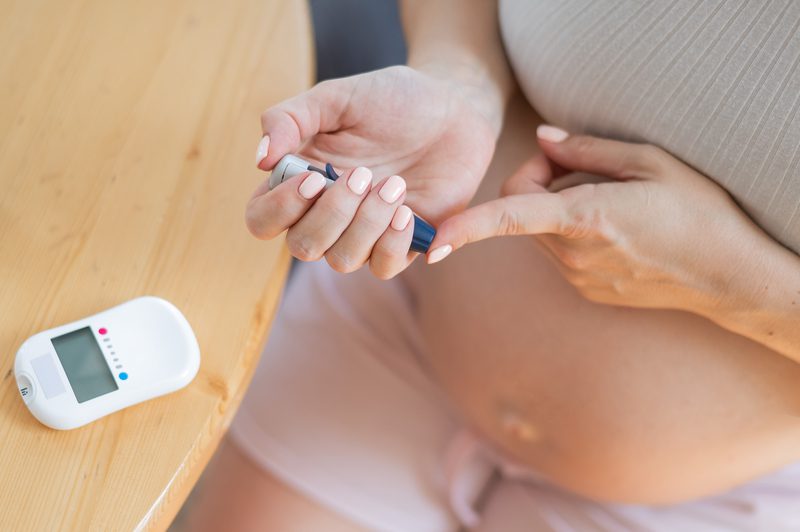
Gestational diabetes mellitus (GDM) is a common pregnancy complication where blood sugar levels rise due to hormonal changes. In Pakistan, many expecting mothers face this condition, often diagnosed between 24–28 weeks of pregnancy during routine glucose testing.
The good news? With the right diet, regular monitoring, and doctor’s guidance, most women can control blood sugar and enjoy a safe pregnancy. This blog explains gestational diabetes sugar targets, and provides a Pakistan-style meal plan and diet chart with familiar foods like roti, daal, sabzi, yoghurt, and seasonal fruits. At Algyna, we understand how challenging it can feel to manage gestational diabetes during pregnancy. That’s why our doctors and dietitians guide expecting mothers with personalized meal plans, sugar monitoring support, and safe lifestyle practices that fit into everyday Pakistani diets.
What is Gestational Diabetes?
Gestational diabetes occurs when your body cannot produce enough insulin to handle the increased blood sugar needs during pregnancy. It typically resolves after delivery but requires careful management to avoid risks for mother and baby.
Risks of uncontrolled GDM:
- Large baby (macrosomia)
- Complicated delivery or C-section
- Low blood sugar in newborn
- Higher risk of type 2 diabetes later in life for mother and child
You can also read PCOS Diet Tips in Pakistan: What to Eat for Hormonal Balance if you are suffering from PCOS.
Gestational Diabetes Sugar Targets
Doctors in Pakistan usually follow international guidelines while adapting them locally:
- Fasting blood sugar: ≤ 95 mg/dl
- 1 hour after meals: ≤ 140 mg/dl
- 2 hours after meals: ≤ 120 mg/dl
Tip: Keep a small notebook or app record of your readings. Many labs in Lahore, Karachi, and Islamabad also provide home glucose monitoring devices.
Principles of a Gestational Diabetes Diet
- Eat small, frequent meals (3 main + 2–3 snacks) instead of heavy plates.
- Choose complex carbs: whole wheat roti, brown rice, oats instead of white bread or refined flour.
- Balance with protein: chicken, fish, lentils, eggs, paneer, and daal.
- Healthy fats: nuts, seeds, olive oil, desi ghee (small quantity).
- Avoid sugary drinks & mithai: cola, juices, gulab jamun, cakes, and packaged snacks.
- Limit fruit portions: choose seasonal fruits (apple, guava, papaya) in moderation.
- Stay hydrated: 8–10 glasses of water daily.
- Control portion size: two small rotis are better than one big naan.
Pakistan-Style Gestational Diabetes Diet Chart
Here’s a sample daily meal plan using familiar Pakistani foods. Adjust portions based on your doctor’s advice and blood sugar readings.
Early Morning (Before Breakfast)
- 1 glass lukewarm water with lemon
- Light walk or stretching if approved
Breakfast (8–9 AM)
- 1 small multigrain roti or 1 slice brown bread
- 1 boiled egg or omelette with vegetables
- ½ cup low-fat milk (unsweetened) or green tea
Mid-Morning Snack (11 AM)
- 1 small apple or guava
- 5–6 almonds or walnuts
Lunch (1–2 PM)
- 1–2 whole wheat rotis OR ½ cup brown rice
- Grilled chicken/fish OR daal + sabzi
- Salad: cucumber, tomato, carrots
- 1 bowl low-fat yoghurt
Evening Snack (4–5 PM)
- Roasted chana or boiled corn
- Green tea without sugar
Dinner (7–8 PM)
- 1–2 rotis (small size)
- Chicken curry, grilled fish, or paneer sabzi
- Steamed vegetables or salad
- Small bowl of daal
Bedtime Snack (10–11 PM)
- ½ glass warm milk OR 1 small chapati with peanut butter
Weekly Pakistani Food Options
- Proteins: Chicken, mutton (lean cuts), fish (pomfret, rohu), boiled eggs, lentils, beans.
- Vegetables: Spinach, bottle gourd (lauki), bitter gourd (karela), okra (bhindi), cabbage, carrots.
- Carbs: Whole wheat roti, barley roti (jau), oats, millet roti (bajra).
- Fruits: Guava, papaya, apple, pear, jamun (in season).
- Avoid: Bananas, mangoes, chikoo in large portions (they spike sugar).
Exercise & Lifestyle Tips
- Walking: 20–30 minutes after meals helps manage sugar.
- Prenatal yoga or stretching: only if cleared by your doctor.
- Sleep: 7–8 hours every night reduces stress hormones.
- Regular monitoring: Check sugar as recommended—fasting, after meals, and before bed if advised.
Sample One-Day Diet Chart (Pakistan)
| Time | Meal | Options |
| 8:00 AM | Breakfast | 1 roti + omelette + green tea |
| 11:00 AM | Snack | 1 guava + 5 almonds |
| 1:30 PM | Lunch | 2 rotis + grilled chicken + salad + yoghurt |
| 4:30 PM | Snack | Roasted chana + green tea |
| 7:30 PM | Dinner | 2 small rotis + sabzi + daal |
| 10:00 PM | Snack | ½ cup warm milk |
Importance of Doctor & Dietitian Guidance
Every woman’s needs differ. Gestational diabetes care should include:
- Dietitian consultation for portion control
- Regular ultrasound to monitor baby’s growth
- Medication/insulin if diet alone doesn’t control sugar
Final Thoughts
Gestational diabetes doesn’t mean you can’t enjoy pregnancy. With the right diet chart, local meal planning, and sugar monitoring, you can stay healthy and reduce risks. Pakistani foods like daal, roti, and seasonal vegetables can be included in safe portions. Always follow your doctor’s advice, stay active, and prepare for a safe delivery.
Frequently Asked Questions
Q: What are normal sugar levels in pregnancy with gestational diabetes?
A: Recommended targets are fasting blood sugar ≤ 95 mg/dl, 1-hour after meals ≤ 140 mg/dl, and 2-hours after meals ≤ 120 mg/dl.
Q: Can I eat roti if I have gestational diabetes?
A: Yes. Whole wheat roti is allowed in controlled portions—usually 1–2 small rotis per meal—along with balanced protein and vegetables.
Q: Which fruits are safe for gestational diabetes in Pakistan?
A: Guava, apple, pear, and papaya are generally safe when eaten in moderation. Large portions of mango, banana, and chikoo should be avoided.
Q: How often should I eat with gestational diabetes?
A: Eating 3 small balanced meals and 2–3 healthy snacks daily helps prevent sudden blood sugar spikes.
Q: Do I always need insulin for gestational diabetes?
A: Not always. Many women control blood sugar with diet and exercise alone. Insulin is prescribed only if target levels are not achieved.
Q: Is exercise safe with gestational diabetes?
A: Yes. Light activities such as walking after meals or doctor-approved prenatal exercises help lower blood sugar. Avoid strenuous workouts.
Q: Will gestational diabetes go away after delivery?
A: In most women, blood sugar levels return to normal after childbirth. However, gestational diabetes increases the long-term risk of developing type 2 diabetes.
Sign up for free Session!
It’s easy and free!